




Defending Hobart
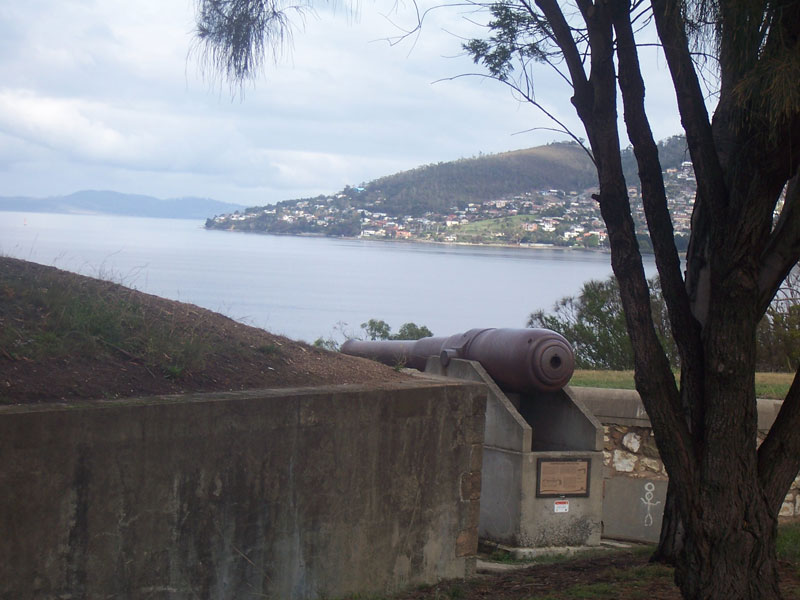
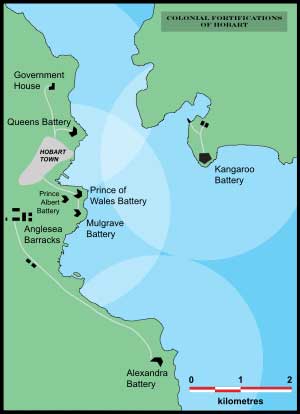
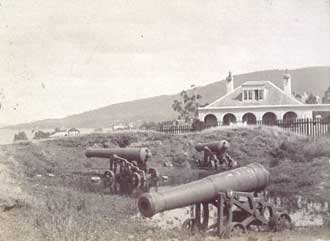
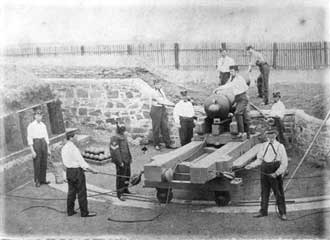
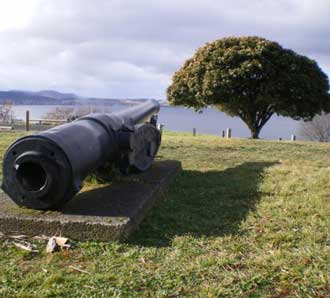
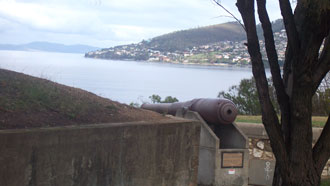
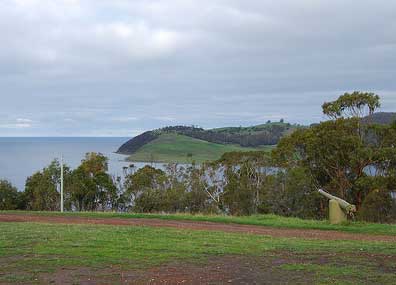
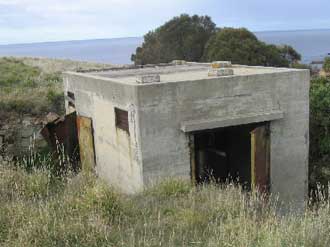
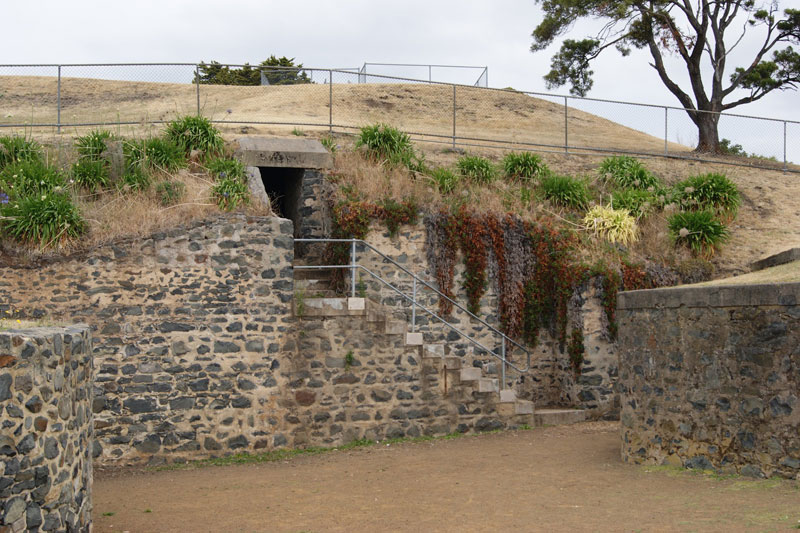
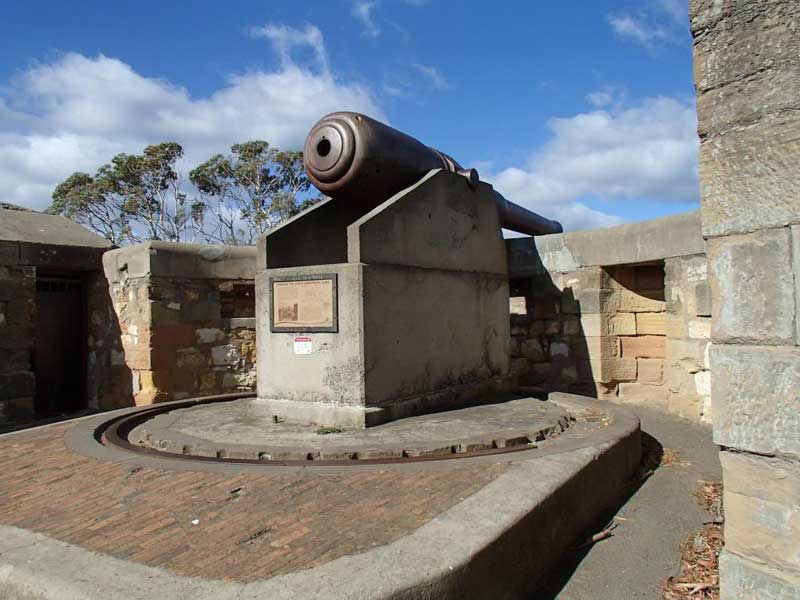
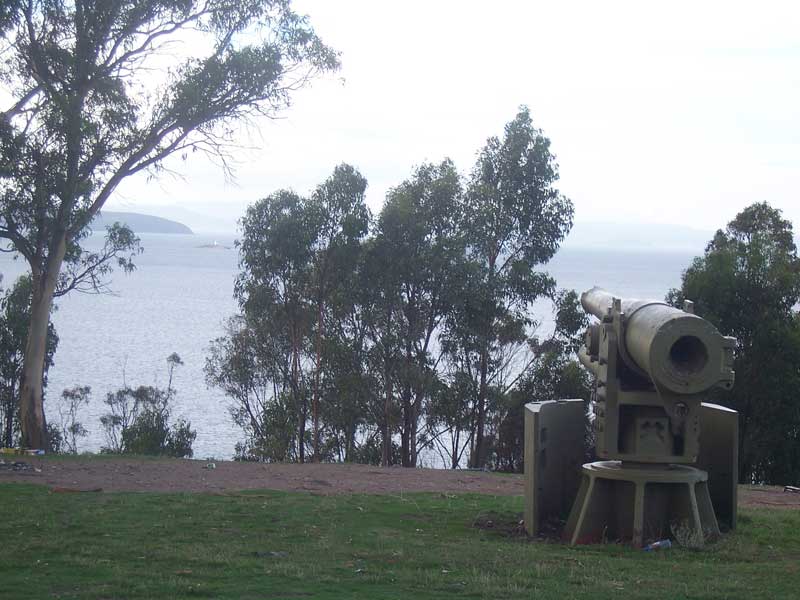
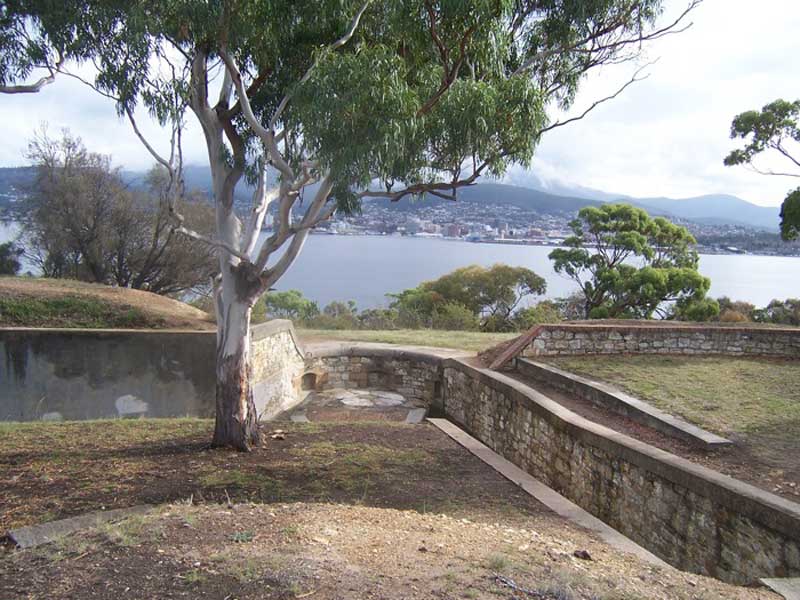
The Hobart coastal defences are a network of now defunct coastal batteries, some of which are inter-linked with tunnels, that were designed and built by British colonial authorities in the nineteenth century to protect the city of Hobart, Tasmania, from attack by enemy warships.
During the nineteenth century, the port of Hobart Town was a vital re-supply stop for international shipping and trade, and therefore a major freight hub for the British Empire. As such, it was considered vital that the colony be protected. In all, between 1804 and 1942 there were 12 permanent defensive positions constructed in the Hobart region.
When Governor Lachlan Macquarie toured the Hobart Town settlement in 1811, he was alarmed at the poor state of the defences and the general disorganisation of the colony. Along with planning for a new grid pattern of streets to be laid out, and new administrative and other buildings to be built, he commissioned the building of Anglesea Barracks, which opened in 1814, and is now the oldest continually occupied barracks in Australia. Macquarie also suggested the construction of more permanent fortifications.
Following his advice, a new location comprising an area of 8 acres (32,000 m2) was selected on the hillside of Battery Point just to the south of Hobart Town, and construction began on what was to become the first of a series of new defensive installations.
The only enemy action to ever affect Hobart happened on 1 August 1942, when a submarine-launched Japanese spy plane flew from the submarine's mooring in Great Oyster Bay south along the east coast of Tasmania, before flying northward along the Derwent River surveying Hobart and then returning to its mother submarine. Although both emplacements detected the flight, the plane was at too high an altitude to fire upon, and no aircraft were available to intercept it. After this event, two anti-aircraft guns were positioned on Fort Direction hill and practice was carried out, a balloon being released as a target, but the Japanese never returned to Tasmania again during the war.